October 10, 2026


Most photographers spend their best energy chasing somewhere else: a coastline two hours away, a city with better light, a festival abroad. Meanwhile the street they walk every day goes unphotographed. Your home town is the one location you can return to in any weather, at any hour, for as long as it takes to get it right. That access is worth more than novelty, and a portfolio built close to home is often more coherent, more honest and more distinctive than a folder of scattered travel shots.
A visiting photographer gets one morning on your high street. You get every morning. That difference shows up in the pictures. You know when the market traders arrive, which side of the street catches the last of the light, when the scaffolding comes down, which café puts its chairs out at the first hint of sun. Familiarity lets you build a set with patterns in it — the same faces, the same corner, the same weather — rather than a handful of unrelated snapshots.
There is a practical advantage too. Local work costs nothing to return to. If the light is wrong on Tuesday, you go back on Thursday. Plenty of projects fail not for lack of skill but because the photographer could only visit once.
Your town is not a subject. It is a backdrop, and a backdrop produces vague pictures. Give yourself a question to answer, then let it guide what you photograph for the next few months. Anything on this list works if it genuinely interests you:
Commit to one. A clear angle makes editing much easier, because you can ask of every frame: does this belong to the set, or is it just a nice picture?
Repetition is the local photographer's secret weapon. Pick a route of perhaps a mile and walk it a dozen times over several weeks, in different weather and at different hours. The first three walks will feel repetitive. By the seventh you will start noticing what you missed: the shape of a doorway, a delivery van that always parks in the same spot, the way rain darkens one particular wall.
Keep a small notebook or a phone note with the practical details that make good pictures repeatable:
A street you have photographed twenty times will still surprise you on the twenty-first, usually because you finally stopped looking for the obvious picture.
People are what turn a set of buildings into a portrait of a place, and a home town is the easiest place in the world to approach them, because you have something to talk about. Keep the camera visible rather than hidden in a bag. Explain what you are working on in a sentence, ask if you can take a photograph, and offer to send a copy afterwards. That offer, kept, buys you goodwill and a second visit.
Take refusals well and without argument — a no is a complete answer. Be particularly careful with children: ask a parent or guardian first, every time. In the UK you can generally photograph in public places, but private land, workplaces, stations and shopping centres have their own rules, and a member of staff asking you to stop means you stop. If you plan to sell prints, license images or publish a book, you may need model and property releases, and settings such as hospitals, schools or places of worship will have their own requirements. For anything commercial or contractual, take proper advice before you publish.
A portfolio is judged as a whole, so consistency matters more than any single image. Decide a few rules and keep them.
Choose two times of day rather than shooting at random. Early morning and the hour before dusk give a town a mood that midday sun flattens. Overcast days are useful too, especially for people and shopfronts.
Stay close to one or two focal lengths so the perspective stays familiar across the set. Then look hard at colour. If your town is brick, grey stone and wet tarmac, let the pictures be brick, grey stone and wet tarmac instead of pushing every frame towards vivid contrast.
Processing is where cohesion is usually lost. Build one approach — a contrast curve, a way of handling shadows, a white balance habit — and apply it to everything. If two images look like they came from different photographers, one of them does not belong.
Once you have a few hundred frames, stop shooting for a week and start looking. Make small prints, or use cheap contact sheets, and spread everything on the floor. Edit hard: a strong local portfolio is usually fifteen to twenty-five pictures, not fifty. Cut anything that repeats a point you have already made better.
Then sequence it. Open with a wide, establishing frame that tells the viewer where they are. Move between people and places, close and far. End on something quiet that lingers — an empty street, a closing shutter, a face looking out of frame. Add short captions with place names and dates; they take a set of photographs and turn it into a document.
Finally, show it locally. A café, library, barber's or community hall will often hang a small exhibition, and a local paper or photography group is a realistic first audience. Place-based work lands hardest with the people who know the place.
Here is a structure that gets results without demanding much spare time.
Then start again with a slightly tighter angle. Place-based portfolios rarely come from a single burst of enthusiasm; they come from a few months of paying proper attention to a place everyone else walks past.
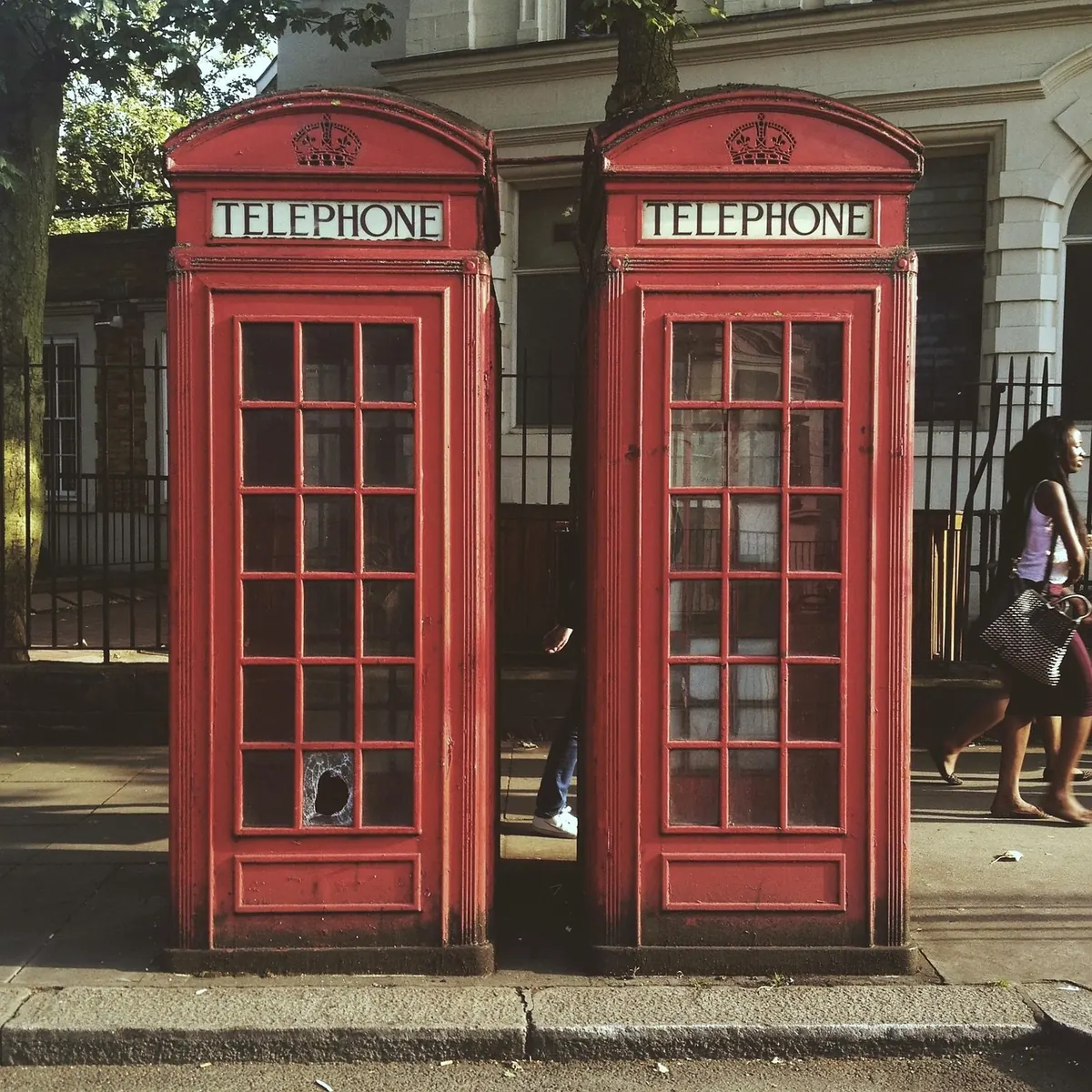
Photo: coombesy / Pixabay

Curated portfolios for creative professionals.
Copyright © 2026 Ideal Folio. All rights reserved. Ideal Folio.